|
Page
Contents
|
Typically, five papers are presented over the course of the day. Sessions are not Zoomed. To date, there has been no fee for attending SCALD. Lunch is not provided, but ample time is built into the schedule for attendees to enjoy local eateries.
If you would like to
receive emails about SCALD, complete this form.
We also invite you to join our SCALD Facebook group (a
place we post information about events).
Questions may be addressed to Bishop Riegel (our Symposiarch).
SCALD V
SCALD V was held 16 March 2026, at St. Paul Lutheran Church, Morgantown, WV, with a total of 26 in attendance. The ratio of clergy-laity ratio remained steady from SCALD IV, with 10 laity and 16 clergy in attendance. In terms of judicatory representation, 14 ELCA (6 WV-WMD, 4 LSS, and 1 each from Allegheny, S. Ohio, and NC), 10 LCMS (7 English, 2 Eastern, and 1 SE), 1 NALC (Mid-NE Mission Region), and 1 PCUSA (Costal Carolina) attended. If you didn't attend, this is what you missed...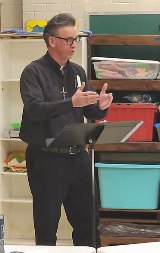 "An Abbreviated Theological
White Paper on Confidentiality and Trust —
An Appeal Especially to Pastors" by Eric
Andrae
"An Abbreviated Theological
White Paper on Confidentiality and Trust —
An Appeal Especially to Pastors" by Eric
Andrae
For all Christians – but especially for leaders in the
church, such as pastors, deaconesses, and others –
trustworthiness is absolutely essential in establishing
and maintaining healthy and nurturing relationships with
those we serve, as well as with colleagues. “Discretion in
the conduct of the pastoral office is the uppermost
commandment" (Bonhoeffer). Indeed, where confidentiality
is violated, it is quite likely the relationship could be
irreparably harmed and ultimately come to end and, as
such, souls may even be lost. How do we determine what is
confidential? Is public information excluded?
Are there times in which otherwise confidential
information should or must be shared with others? - if so,
with whom, and how? What difference does the seal of
private confession make?
The Rev. Eric Andræ is Campus Pastor, Outreach
Minister, and ESL Chaplain of First Trinity Lutheran
Church, Pittsburgh, PA. He earned a B.A. degree in 1993
from Valparaiso University and a Master of Divinity
Degree in 1997 from Concordia Seminary in St. Louis,
MO. He has traveled, lectured, and published
extensively, and earned a Master of Sacred Theology in
pastoral care from Concordia Seminary in 2003.
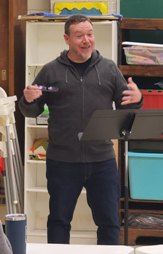 "Threat Assessment and the
Care of Conscience: Confessional Lutheran Resources for
the Potential Age of ET Alien Disclosure" by Grant
Eckhart
"Threat Assessment and the
Care of Conscience: Confessional Lutheran Resources for
the Potential Age of ET Alien Disclosure" by Grant
Eckhart
This paper argues that the Lutheran Confessions
demonstrate a core pastoral and theological competency in
threat assessment, specifically in their concern for the
human conscience and its vulnerability to both internal
and external threats. Internally, the reformers confronted
corrupt theology and church practices that endangered
consciences. Externally, they articulated a deep
existential realism about the human condition: that
humanity lives under the domination of sin, death, and the
devil. This threat environment, they asserted, cannot be
worsened — not even by a scenario as disruptive as the
disclosure of non-human intelligent life. Thus, the
Lutheran theological tradition is well prepared to meet
new cosmic and psychological shocks by centering the
saving work of Christ, guarding the conscience, and
grounding hope in Scripture, because we have done it
before.
The Rev. Grant Eckhart is campus pastor of Jacob's
Porch, Ohio State University, Columbus, OH. He studied
at G.T.U., Berkeley, CA, and received his M.Div. from
Trinity Lutheran Seminary, Columbus, Ohio. He is
currently working on his S.T.M. at Trinity Lutheran
Seminary and is known as the author of the Substack Ministry
of the Weird.
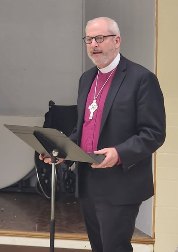 "The Athanasian Creed and
Lutheran Dogmatics: Good Works, Salvation, and the
Majoristic Controversy" by Stephen Herr
"The Athanasian Creed and
Lutheran Dogmatics: Good Works, Salvation, and the
Majoristic Controversy" by Stephen Herr
The Confessions of the Evangelical Lutheran Church acknowledge the Three Chief Creeds or Confessions of Faith in Christ Which Are with One Accord Used in the Churches. Along with the Apostles’ and Nicene Creeds, the framers of the Book of Concord include the Athanasian Creed. Since the Reformation Era, Lutherans have named the Athanasian Creed in their confessional documents, incorporated it into their liturgies, and utilized it in the ordination vows for their ministers.
At the same time Lutherans scrutinize and criticize the Athanasian Creed. Modern scholarship debunked the claim that Athanasias wrote it and that it was most likely written around the fifth century – well after the other creeds. The wave of anti-Catholicism especially in the nineteenth century among Lutherans in America, led to a rejection of the word “catholic” in the first and final lines. References to persons who do not keep the “catholic faith” “whole and inviolate” will “perish eternally” raised concerns of works righteousness regarding matters of faith. These portions for the creed combined with the claim that “Those who have done good things will enter into eternal life, and those who have done evil things into eternal fire” led and continue to lead many to criticize or reject the creed on the grounds that it is in direct opposition to the classic Lutheran doctrine of justification by grace through faith apart from the works of the law.
The most recent hymnal of the Evangelical Lutheran Church in America, Evangelical Lutheran Worship, does not include the words of the Athanasian Creed as did its predecessor volume The Lutheran Book of Worship. While the ordination rite of the Evangelical Lutheran Church in America specifically holds ordinands to teach and confess the Athanasian Creed, its use by Lutheran ministers and congregations continues to diminish. It’s length often is cited, however, more so are the creed’s references to good works and salvation.
This paper will address the creed’s reference to good
works and salvation in relationship with the dogmatic
tradition of the Lutheran Church specifically around the
Majoristic Controversy. Through this examination it is my
hope to draw attention to the richness of the Athanasian
creed for the worship, theological, and devotional life of
the Lutheran Church inf the Twenty First Century.
The Rt. Rev. Stephen Here is bishop of the Lower
Susquehanna Synod. He holds both an M.Div. and an S.T.M.
from Gettysburg Seminary. He served twenty-five years as
pastor of Christ Lutheran Church, Gettysburg, PA.
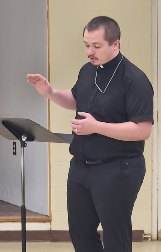 "Death and Resurrection in the Joseph
Narratives: How God Makes Us to be Like Christ" by Kyle
Mullins
"Death and Resurrection in the Joseph
Narratives: How God Makes Us to be Like Christ" by Kyle
Mullins
Throughout the Joseph narratives we do not see a morally
upright man who fervently clings to God's law, making
himself to be favorable before God. Instead we see a
sinful man brought to death through suffering and made
alive through the comforting presence of God. It is
through this continual process of death and resurrection
that God makes Joseph to be like Christ. So it is in our
lives that through suffering and the Law God kills us in
order that He may raise us to new life under Christ by His
saving presence.
The Rev. Kyle Mullins serves as past of Trinity
Lutheran Church, Glen Savage, PA. Holds an M.Div. from
Concordia Theological Seminary, Ft. Wayne, IN. He is
currently working on a Doctorate of Ministry degree.
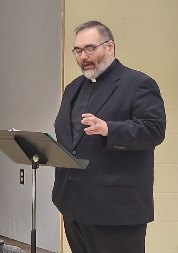 "Equipped to Share: The Lutheran
Confessional Tradition as Evangelism in Life and Worship"
by Adam Sornchai
"Equipped to Share: The Lutheran
Confessional Tradition as Evangelism in Life and Worship"
by Adam SornchaiThis paper explores how the Lutheran confessional
tradition equips believers to share the gospel
authentically in worship, households, and daily life.
Rooted in the Small Catechism, Word and Sacrament, and the
priesthood of all believers, it emphasizes faithful
witness over method, fostering dialogue, listening, and
relational engagement rather than persuasion or technique.
By connecting catechesis, liturgy, and vocation, Lutherans
are prepared to live and articulate their faith in a
pluralistic, secular society. Grounded in confessional
identity, this approach demonstrates how historic Lutheran
practices can renew congregational life and enable
meaningful gospel witness beyond the walls of the church.
The Rev. Dr. Adam Sornchai earned a BA and MA in
Theology from St. John’s University in Jamaica, NY, an
M.Div. from Gettysburg Seminary, and d a Doctor of
Ministry at the Methodist Theological School in Ohio,
Delaware, OH. He serves as pastor of St. John Lutheran
Church, Windfall, OH.
Next SCALD
By popular demand, there will be a SCALD VI, but we don't know when or where yet. If you would like to receive notices related to the next SCALD, complete this form. You can also join our SCALD Facebook group (a place we post information about events).
Past SCALDS
 |
 |
 |
 |
 |
| Christian |
Johnston |
+Riegel |
Setley |
Summers |
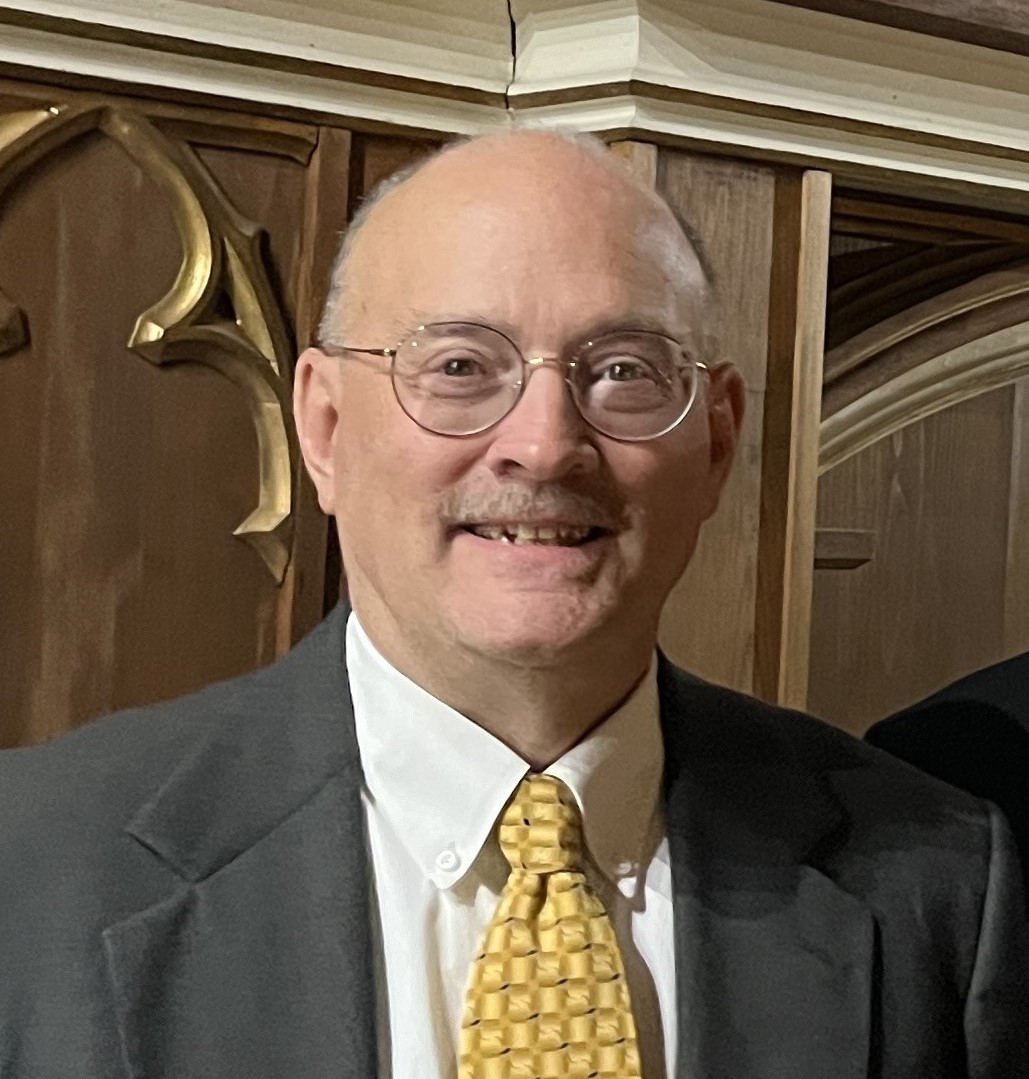
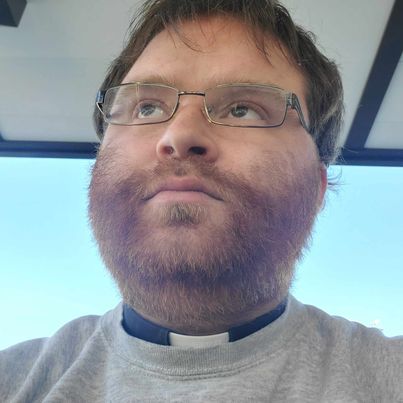
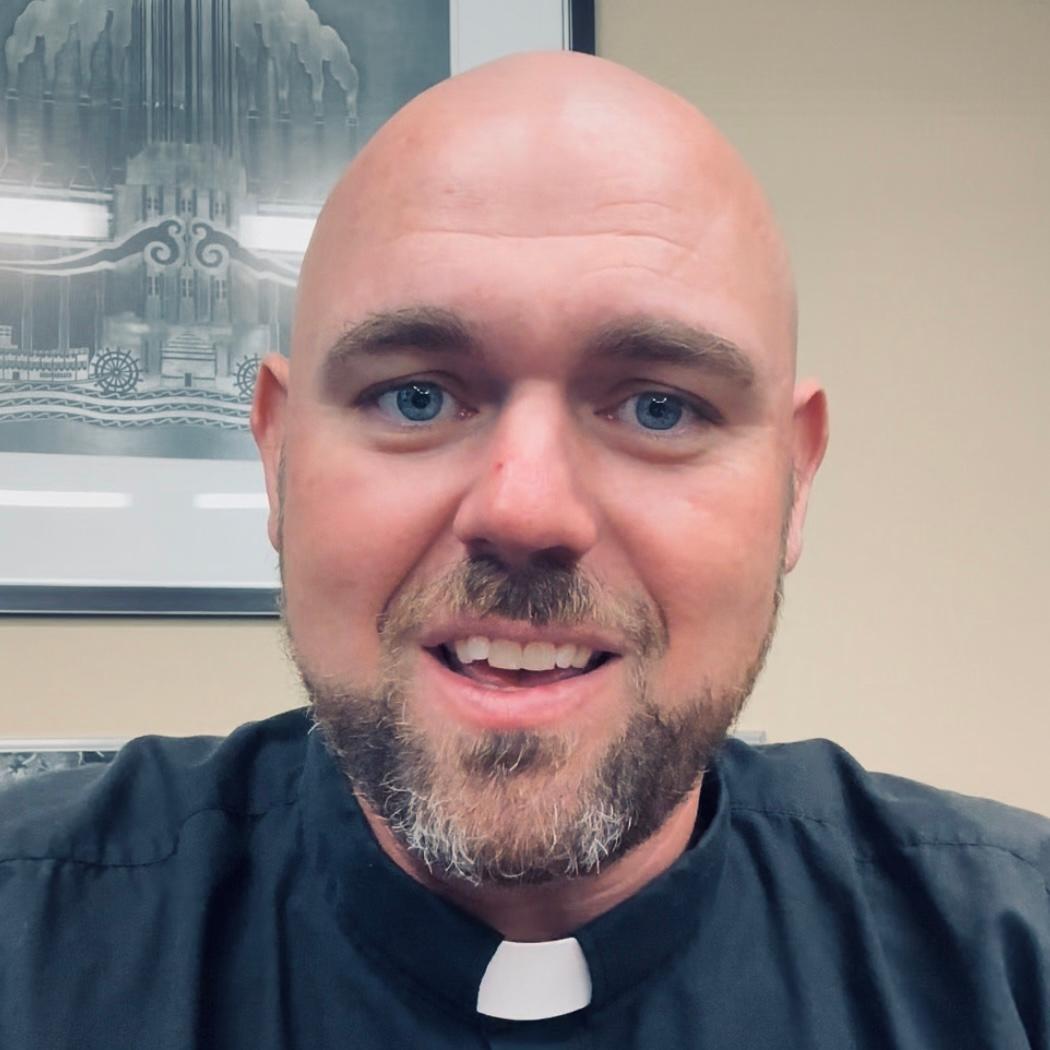
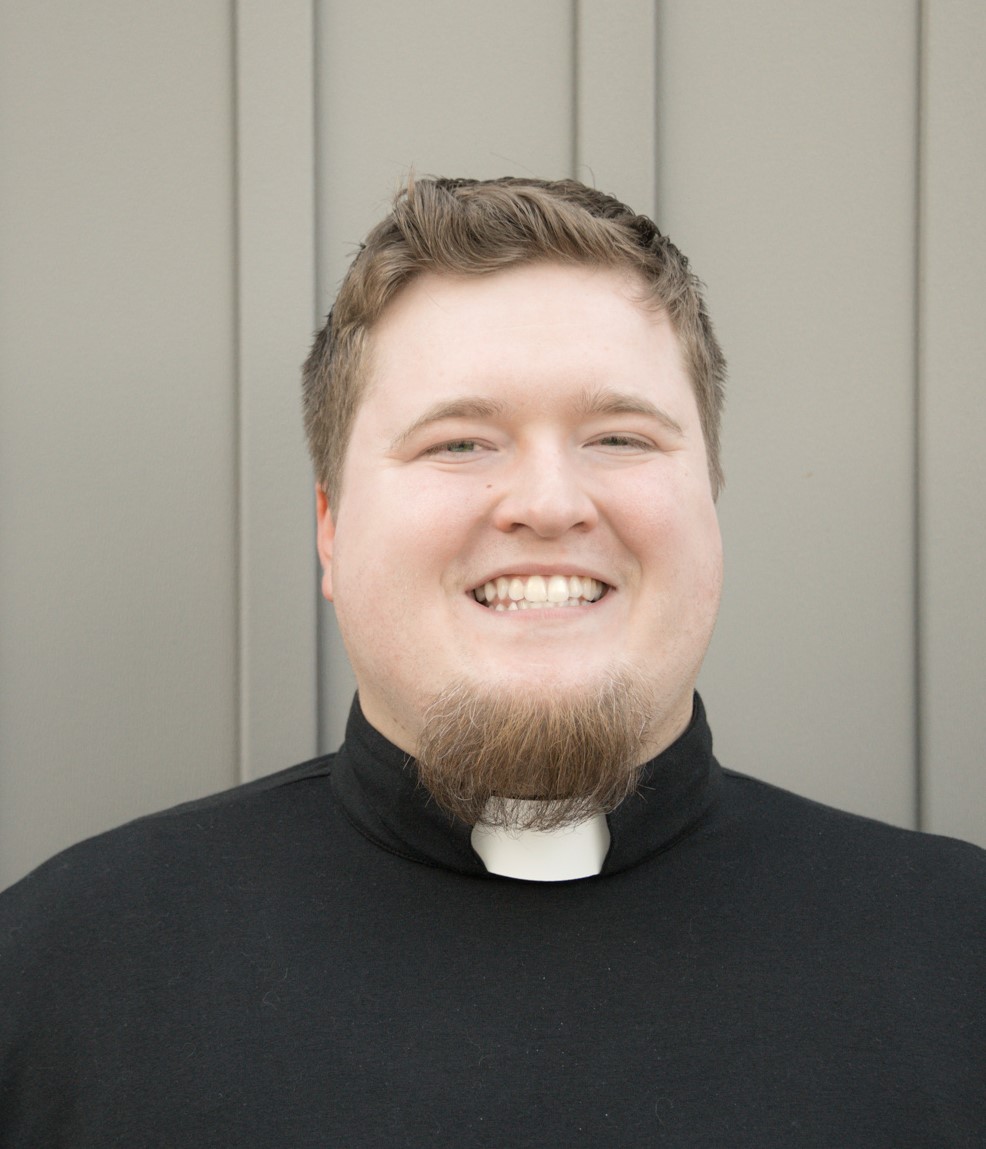
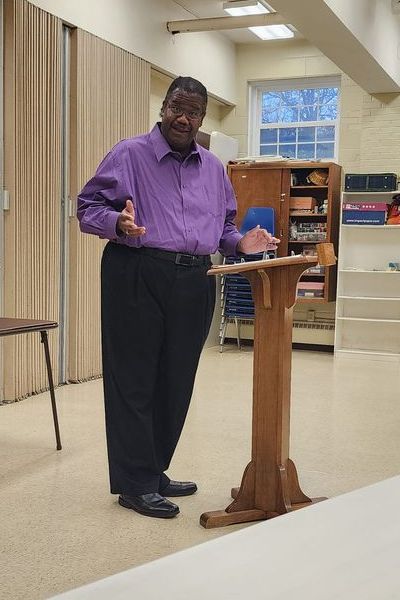
SCALD IV was held 20 February 2025 at St. Paul Lutheran Church, Morgantown, WV, with 18 total attendees, 11 clergy and 7 laity, representing 7 different judicatories (WV-WMD ELCA, Lower Susquehanna ELCA, Southern Ohio ELCA, NC ELCA, FL-Bahamas ELCA, Indiana-Kentucky ELCA, and Southeastern English District LCMS). The attendee who traveled the furthest came from Miami, FL. The following five papers were presented:
- Disputation on Offering the Sacrament of Holy Communion to the Unbaptized — Keith Christian
- Confessional Reappraisal: Dialogue between the Evangelical Lutheran Church in America and Lutheran Church-Missouri Synod — Thomas Johnston
- Quo jure et quo modo? The Cleric Speaking in the Status Politicus — Matthew Riegel
- Paved with Good Intentions: Reexamining Supersessionism — Tony Setley
- The Status Intermedius in the Lutheran Dogmatic Tradition — Jaren Summers
SCALD III
 |
 |
 |
 |
 |
| +Riegel |
Setley |
McClinton |
+Kusserow |
Collins |
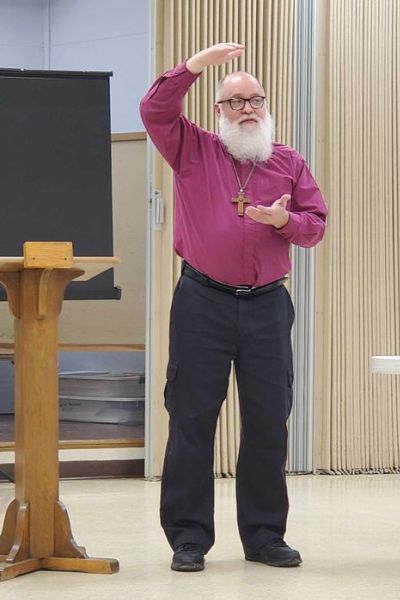
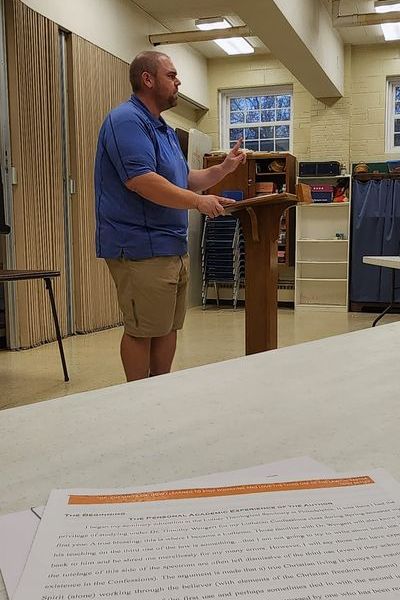
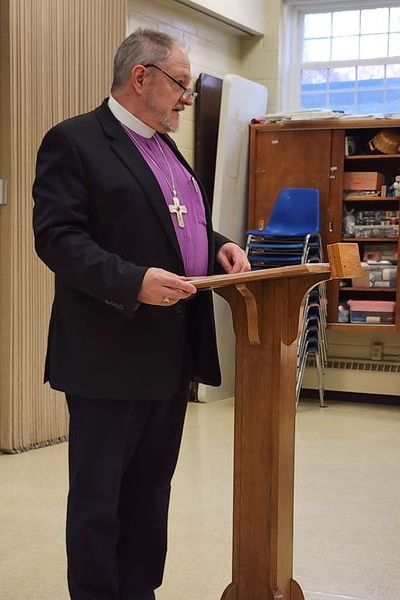
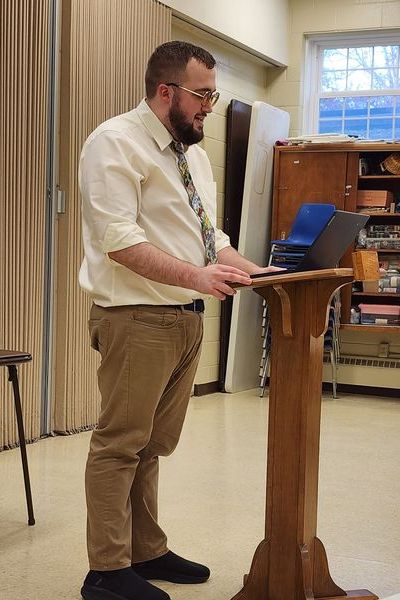
After a four-year hiatus, SCALD III was held at St.
Paul Lutheran Church, Morgantown, WV, on 9 November
2023. Nineteen attended: five laity and
fourteen clergy. The clergy represented seven
judicatories (five ELCA synods, one LCMS District, and
one Episcopalian diocese). The furthest participant
traveled from North Carolina. The five papers were:
- Dr. Chemnitz or: How I Learned to Stop Worrying
and Love the 3rd Use of the Law — Tony Setley
- Progression or Regression: Hymnody and the Lutheran Faith — Brian McClinton
- Enough! Seeking to Satisfy CA VII with an Articulation of the Gospel — Kurt Kusserow
- Mist in the Pulpit, Fog in the Pews: A Proposal to Clarify and Enhance Confessional Subscription in the ELCA — Daniel Collins
- Disputation on the Sacrament of the Lord's
Supper and the So-called Virtual Communion — Matthew
Riegel
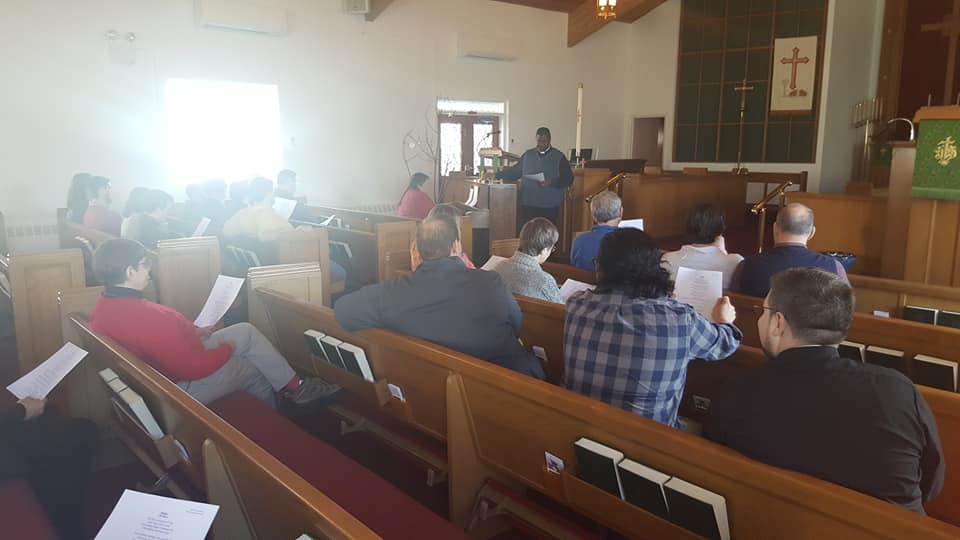 |
| Brian McClinton, at SCALD II, leads the gathering in singing hymns of the Christian Science tradition as an example of catechetical hymnody. |
SCALD II
SCALD II, meeting in Keyser, WV, on 21 Feb 2019,
saw a doubling of attendance over SCALD I, with thirty
participating, representing six ELCA judicatories
(WV-WMD, LSS, Allegheny, MNYS, NC, and Del-MD). There
were two non-ELCA folks there (TEC and UCC). There were
six laity and twenty-four clergy. One of the lay
participants, a seminarian from LSTC, even road the
train overnight to attend.
SCALD II papers...
- Ask, Search, Knock. Opened? A Case for a Theology of Prayer in a "Just Do It" World — Christine Olson
- "You mean we can't sing Pass it on in Church":
Hymnody and the theological importance in Christian
education — Brian
McClinton
- A (More) Trinitarian Baptism — Jonathon Jenkins
- On the Concept of Irony with Continual Reference to Kierkegaard — James Demmel
- Shameless - and Mindless: A Proposed ‘Sexual
Reformation’ in Need of Enlightenment
— Eric Crump
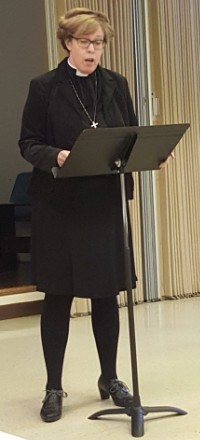 |
| Elizabeth Hadaway, at SCALD I, delivering her paper, "The Babylonian Captivity of the Clergy Spouse," a very interesting critique of commonly held ideas about the role of the clergy spouse in light of Augustana XIV, XVI, and XXIII. |
SCALD I
SCALD I met in Morgantown, WV, in 2017 with fifteen
present. While predominantly pastors of the West
Virginia-Western Maryland Synod, we also had a pastor from
Lower Susquehanna join us and two priests from the
Episcopal Diocese of WV.
SCALD I papers...
- Suicide and the Church's Answer: A Theological Primer on the Theology of Suicide and How the Church Should Respond — Matt Day
- The Babylonian Captivity of the Clergy Spouse — Elizabeth Leigh Hadaway
- My Church Council President Is a Montanist: Is That a Problem? — Brian McClinton
- Holding Fast: Ecumenism, the Answer to the Saviors Prayer or a Betrayal of Dogma? — Mike Hadaway
- The 95 Theses 500 Years On: What's Settled, What Is Still in Dispute? — Jerry Kliner
Resources
- Book of Concord
- English translation, Triglotta ed. (https://bookofconcord.org/)
- Concordia Triglotta. St.Louis, Mo.: Concordia
Publishing House, 1921. (https://archive.org/details/concordiatriglot0000unse/mode/2up)
- Schmid, Heinrich. The Doctrinal Theology of the Evangelical Lutheran Church., 3rd ed. Charles A. Hay and Henry E. Jacobs, trans. Minneapolis: Augsburg Publishing House, 1899. (https://www.ccel.org/ccel/schmid/theology.html)
- Post-Reformation Digital Library (http://prdl.org/)
Other Opportunities
A wide variety of educational opportunities for both
clergy and laity are to be found on the WV-WMD Synod's Education for Clergy & Laity
page.